



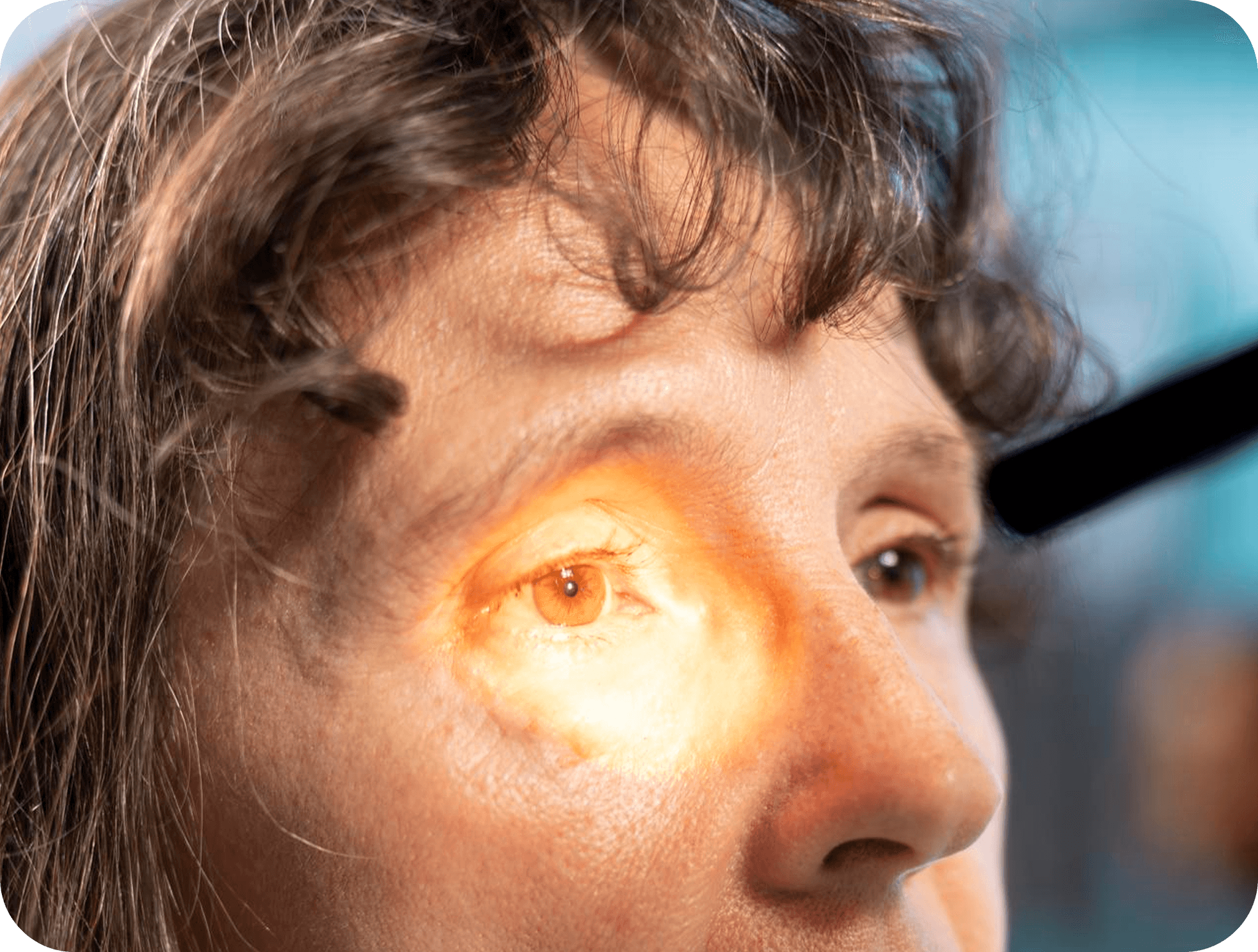
Burning or Stinging
Dry Eye Care
Relief for dry, irritated and tired eyes begins with understanding the cause. Get a detailed evaluation and a personalised treatment plan at Pixel Eye Hospitals.

What Is Dry Eye?
Dry eye occurs when your eyes do not produce enough tears or when the tears evaporate too quickly.
It can also happen when the natural tear film does not have the right balance of water, oil and mucus.
Dry eye may be temporary, but persistent symptoms often require professional evaluation and ongoing care.
Without a stable tear film, the surface of the eye may become irritated, inflamed and uncomfortable. Some people may also experience fluctuating or blurred vision.

Symptoms you may notice
Dry eye symptoms can affect one or both eyes and may become worse during screen use, reading, driving or exposure to air conditioning.
What Can Lead to Dry Eyes?
Dry eye can develop due to medical conditions, aging, eye power, injury, or changes in the eye's blood vessels.



Mixed Dry Eye
Tears evaporate too quickly, commonly due to meibomian gland dysfunction or an unstable oil layer.
Aqueous-Deficient Dry Eye
The eyes do not produce enough watery tears to keep the surface adequately lubricated.
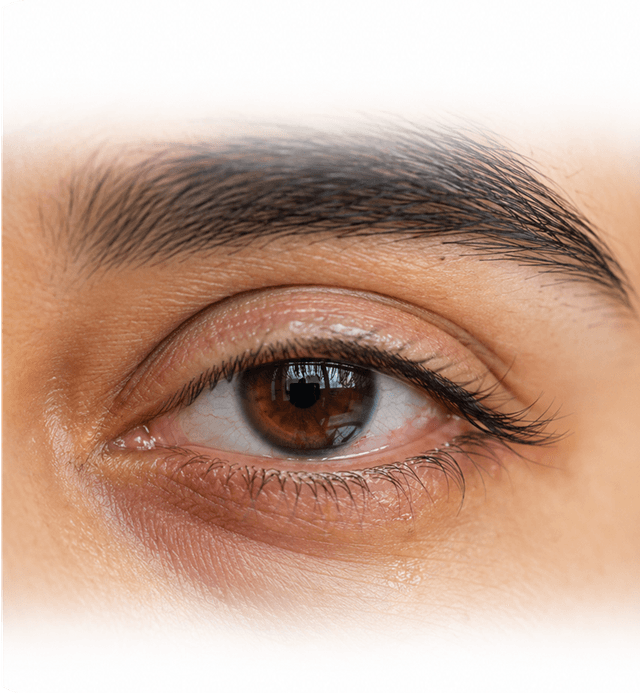
Evaporative Dry Eye
A combination of reduced tear production and increased tear evaporation.
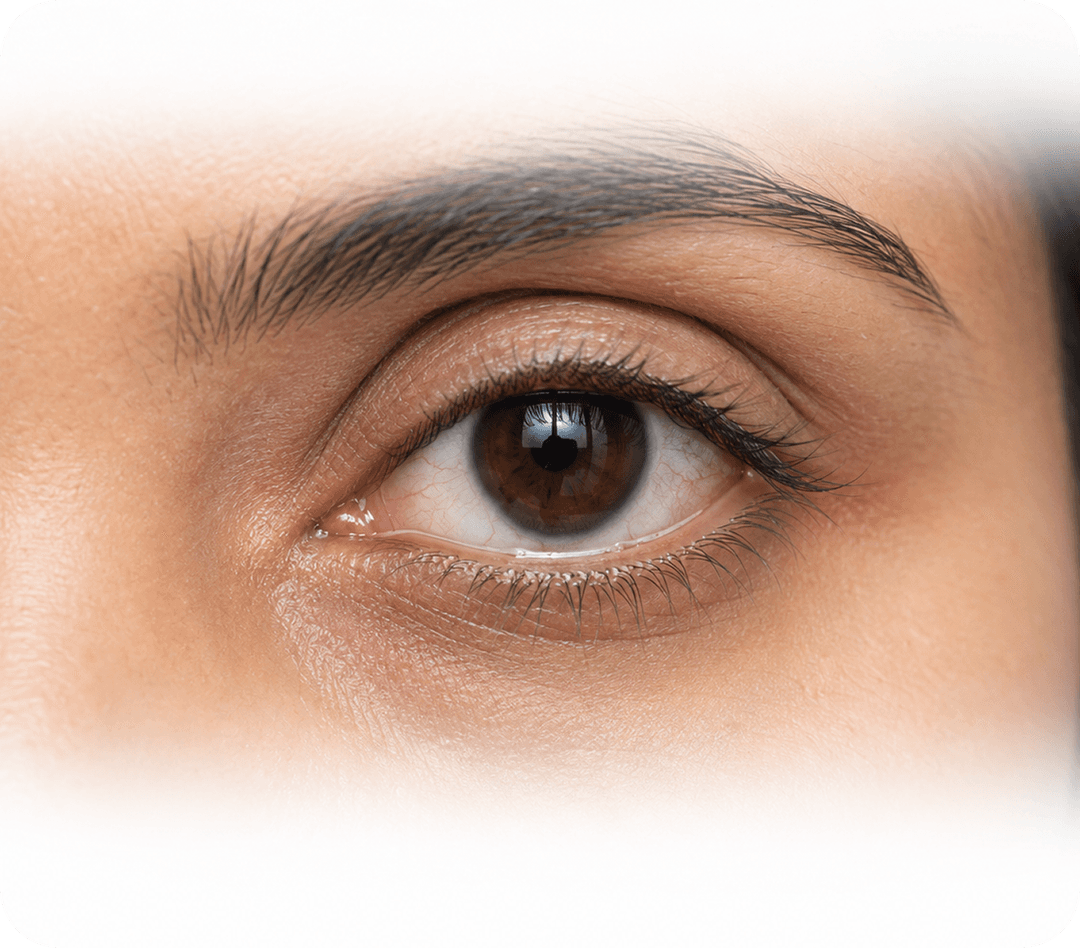
Mixed Dry Eye
Tears evaporate too quickly, commonly due to meibomian gland dysfunction or an unstable oil layer.
Aqueous-Deficient Dry Eye
The eyes do not produce enough watery tears to keep the surface adequately lubricated.
How Dry Eye Is Diagnosed
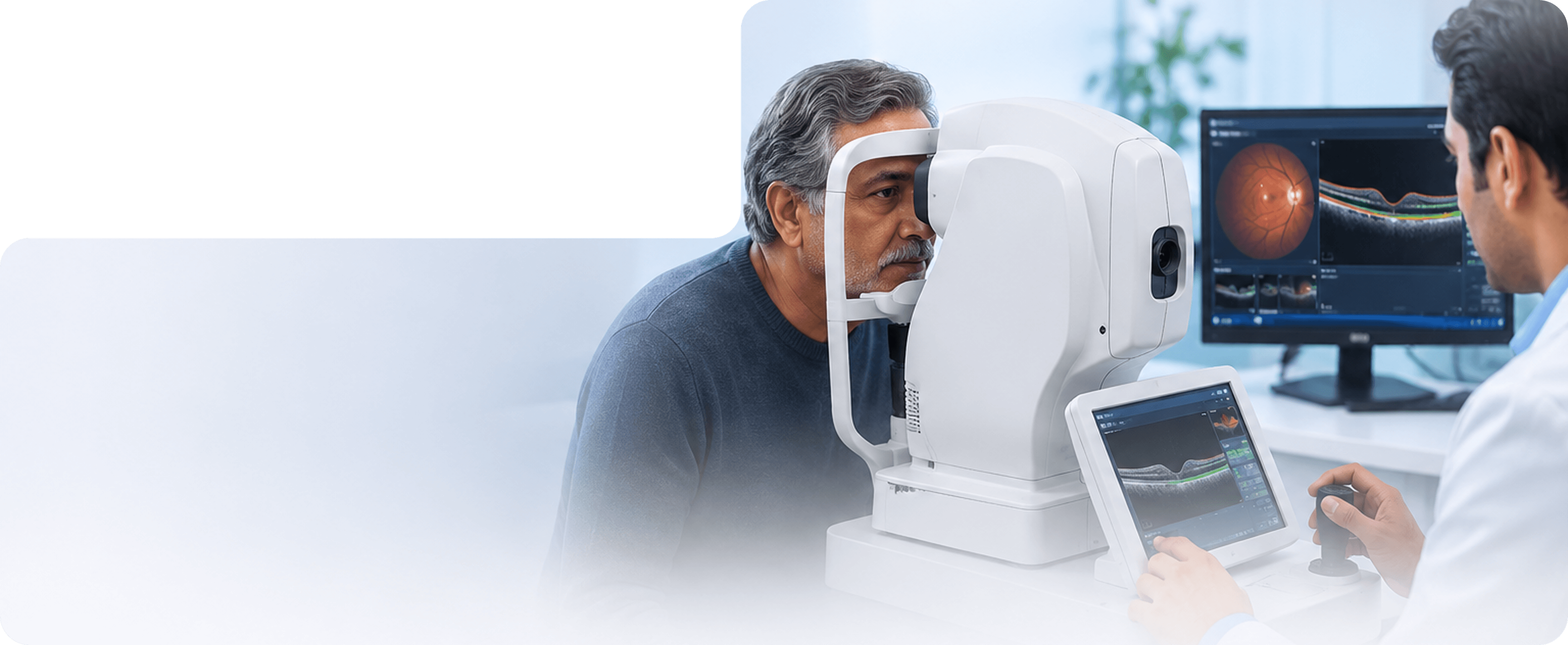
Dry eye can have more than one underlying cause. A detailed eye examination helps assess your tear production, tear stability, eyelids and ocular surface.
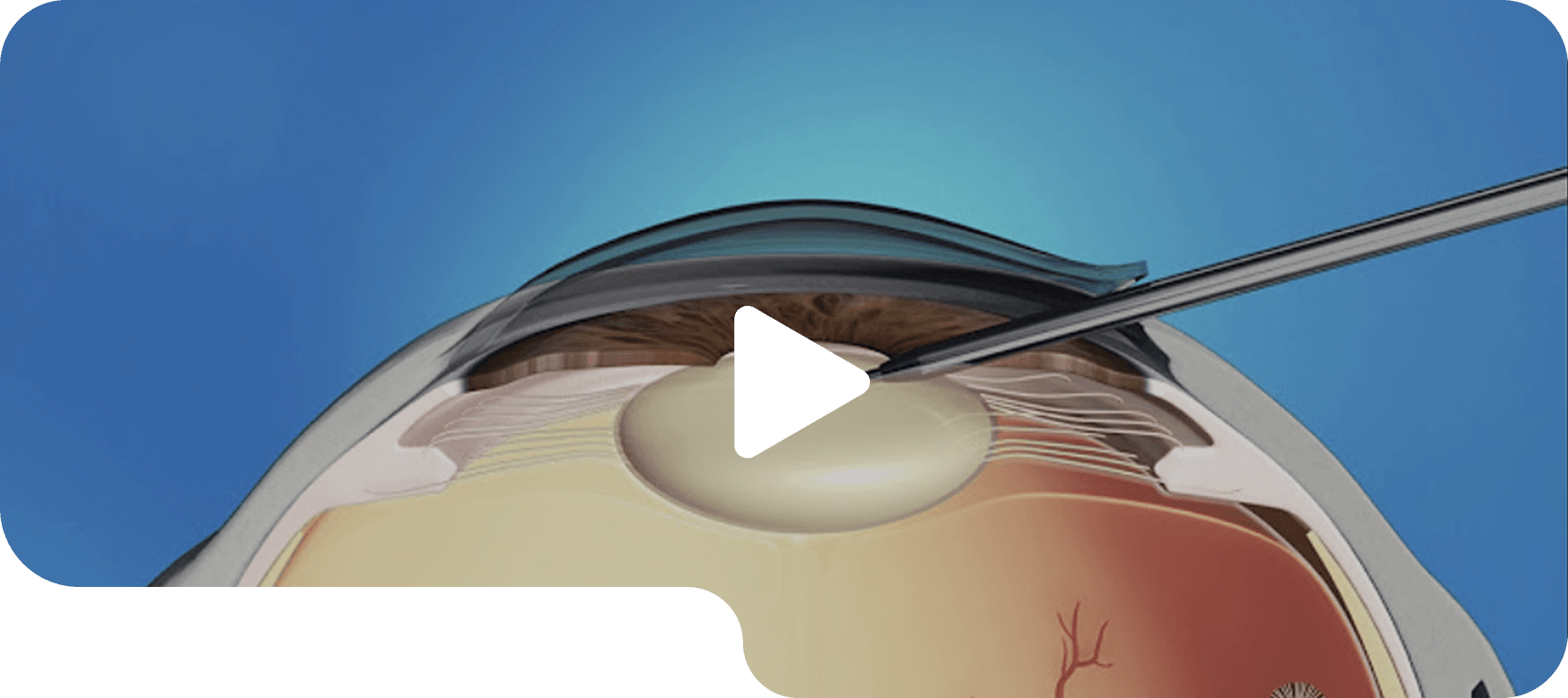
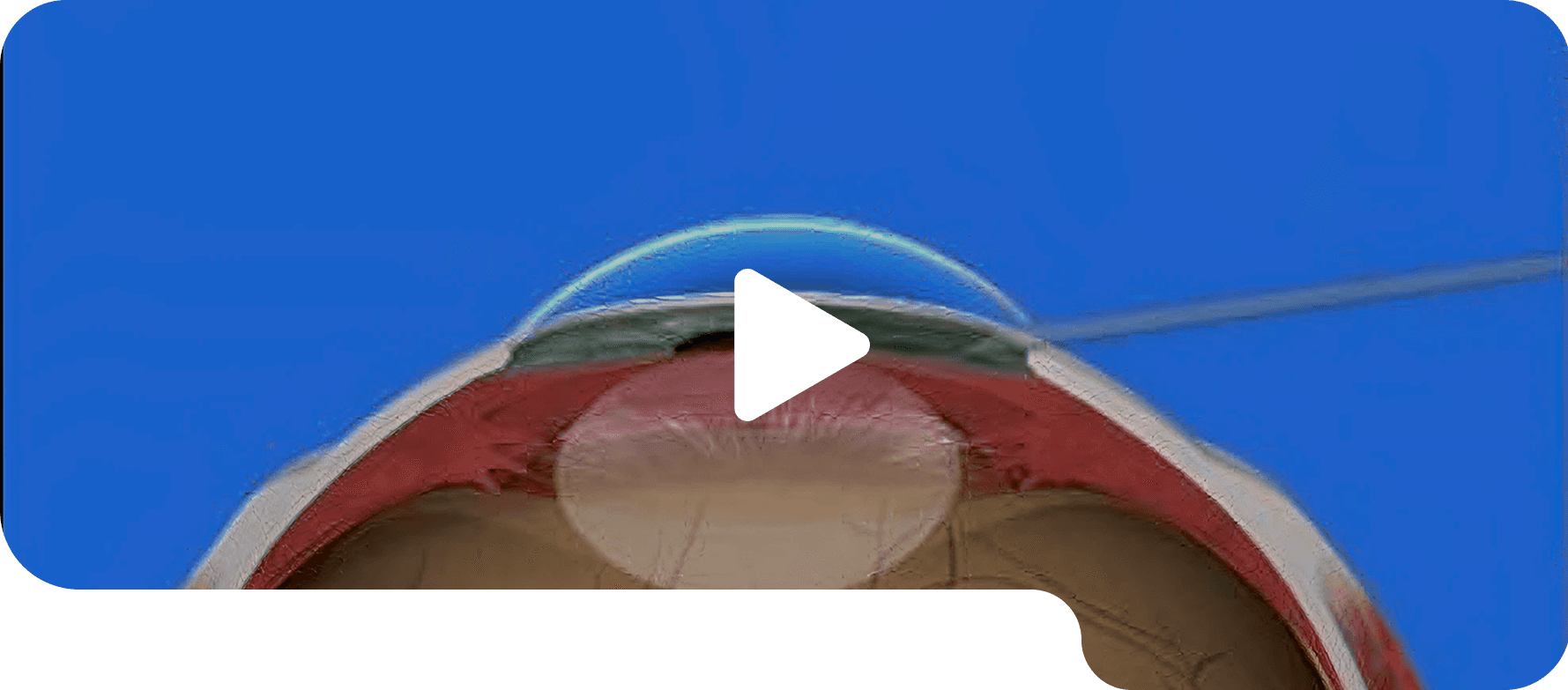
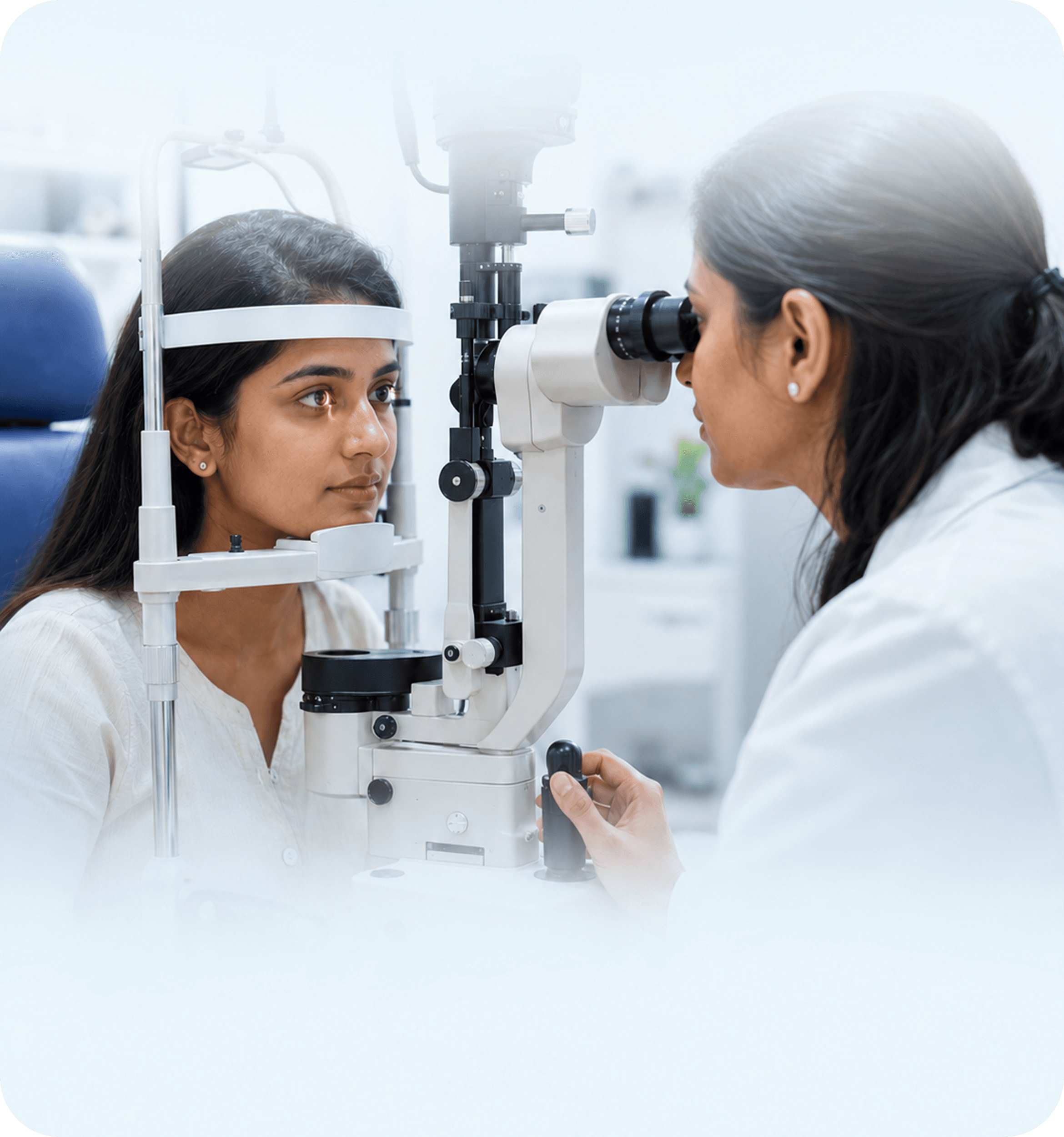
1. Slit-Lamp Examination
Examines the eyelids, tear film and eye surface for signs of dry eye.
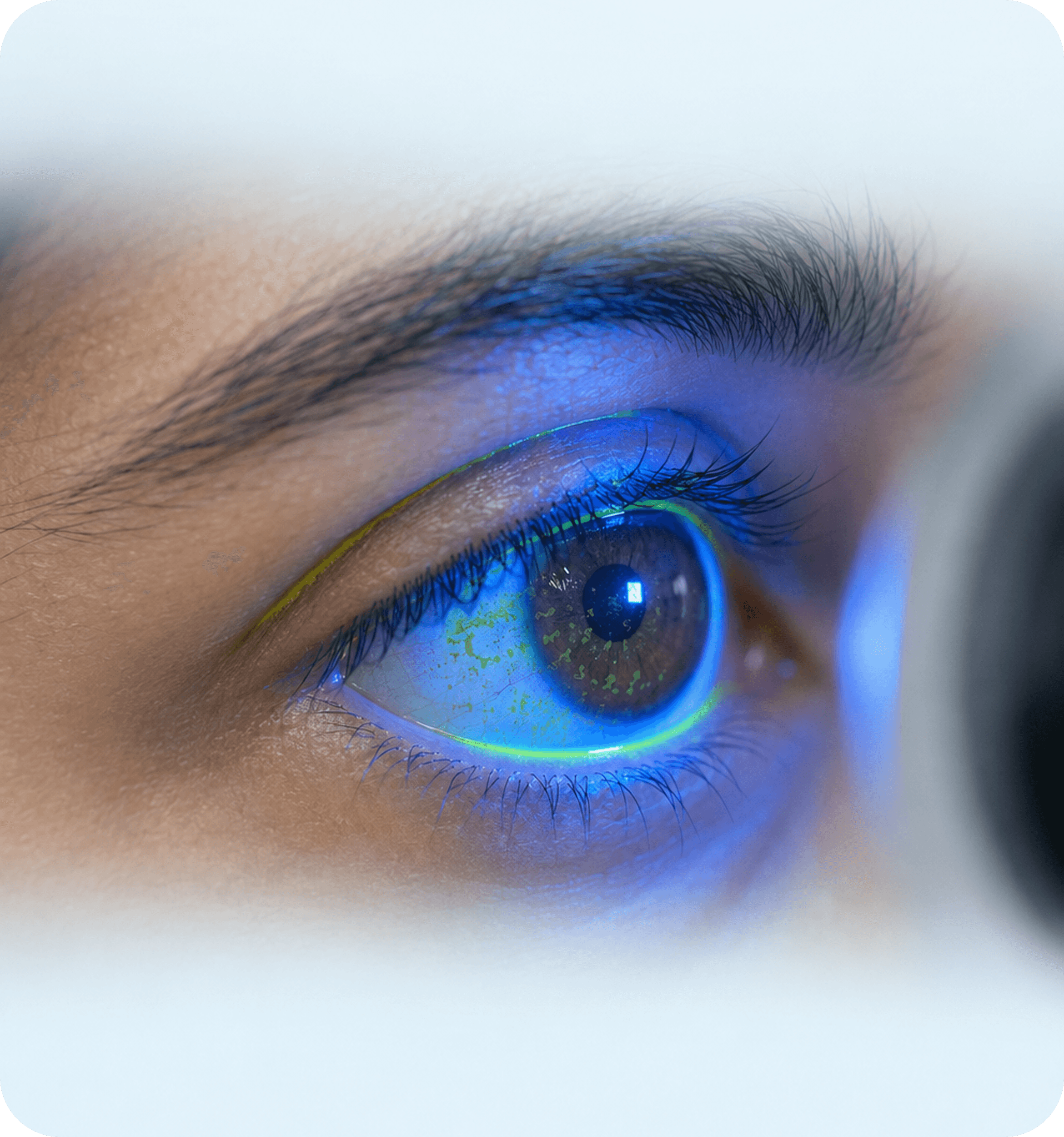
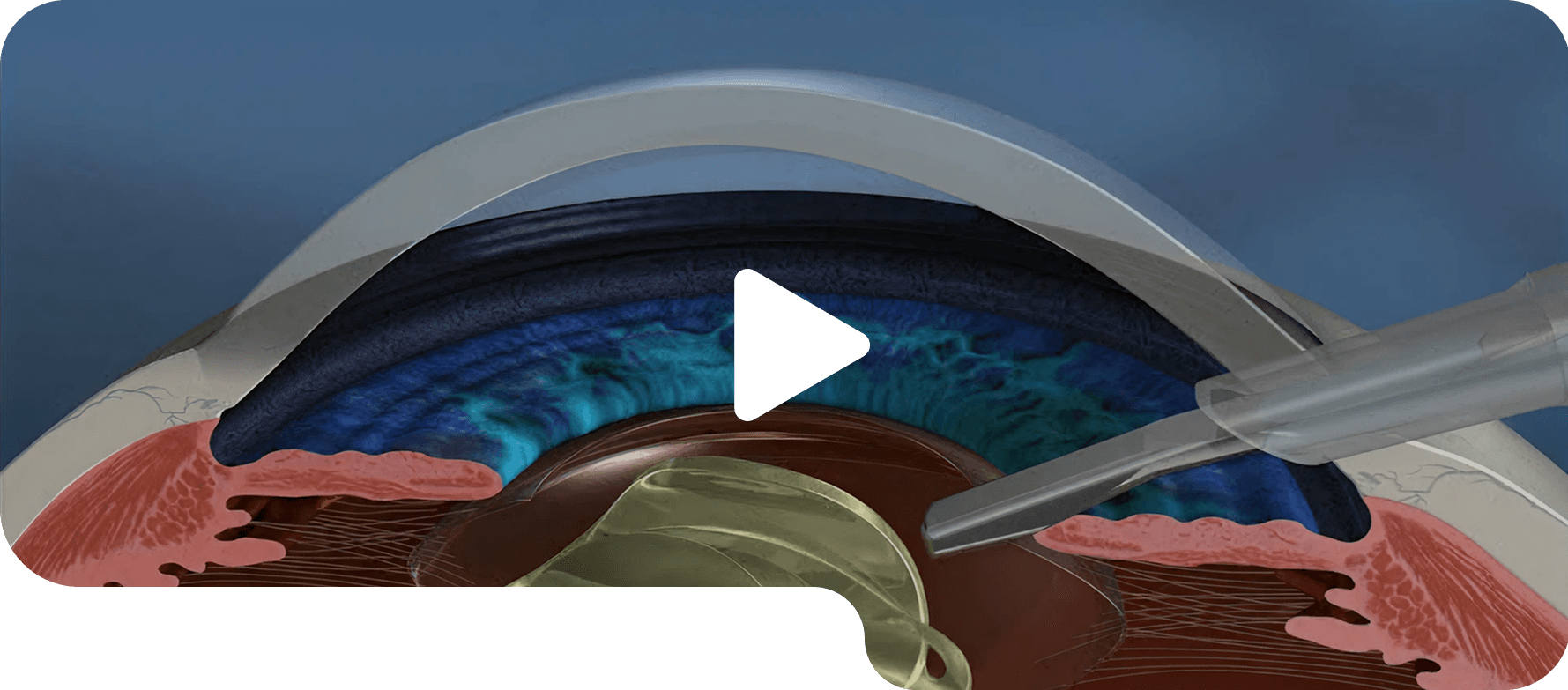
2. Tear Film Break-Up Time Test
Measures how quickly the tear film becomes unstable after blinking.
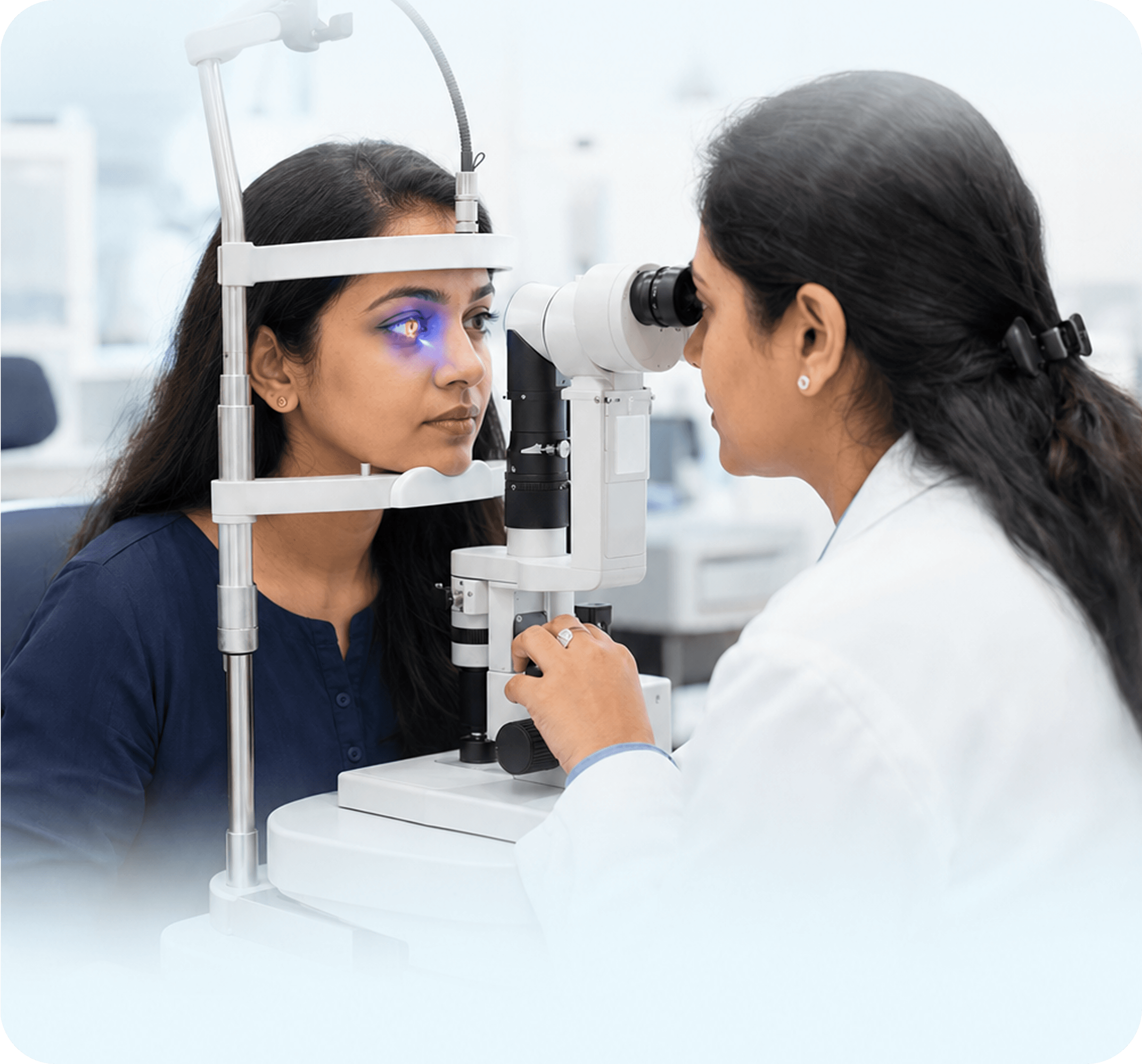
3. Schirmer Test
Measures the amount of tears produced by the eyes.
4. Meibomian Gland Assessment
Checks the oil glands in the eyelids that help prevent tears from evaporating.
1. Slit-Lamp Examination
Examines the eyelids, tear film and eye surface for signs of dry eye.
2. Tear Film Break-Up Time Test
Measures how quickly the tear film becomes unstable after blinking.
Clinical expertise
Dry eye care at Pixel Eye Hospital is provided by experienced ophthalmologists using advanced diagnostics and personalised treatment plans to improve comfort and protect the ocular surface.



Dr. Krishna Poojita
MBBS, DNB (Ophthalmology), MRCS (Edinburgh), FICO (UK), FPRS (Narayana Nethralaya), Cataract & Refractive Surgeon
View Doctor Profiles
FAQ

For personalised information about dry eye symptoms, diagnosis, treatment options, or ongoing care, book an appointment with our eye care specialists. Early evaluation can help identify the cause and protect your comfort and vision.
Dryness can irritate the eye and trigger reflex tearing. However, these watery tears may not contain the right balance of oil, water and mucus needed for lasting lubrication.
Yes. People tend to blink less frequently while using phones, computers and other digital devices. This allows tears to evaporate faster, leading to dryness, irritation and eye fatigue.
Dry eye may be temporary or long-term, depending on its cause. Persistent dry eye can usually be managed effectively with proper diagnosis, treatment and lifestyle changes.
Yes. Contact lenses may increase dryness and discomfort, especially when worn for long hours or in air-conditioned, dusty or windy environments. Your ophthalmologist may recommend changing the lens type or reducing wearing time.
No. Different eye drops are formulated for different types and severities of dry eye. Some contain preservatives that may irritate the eyes when used frequently. Consult an ophthalmologist before using any eye drop regularly.
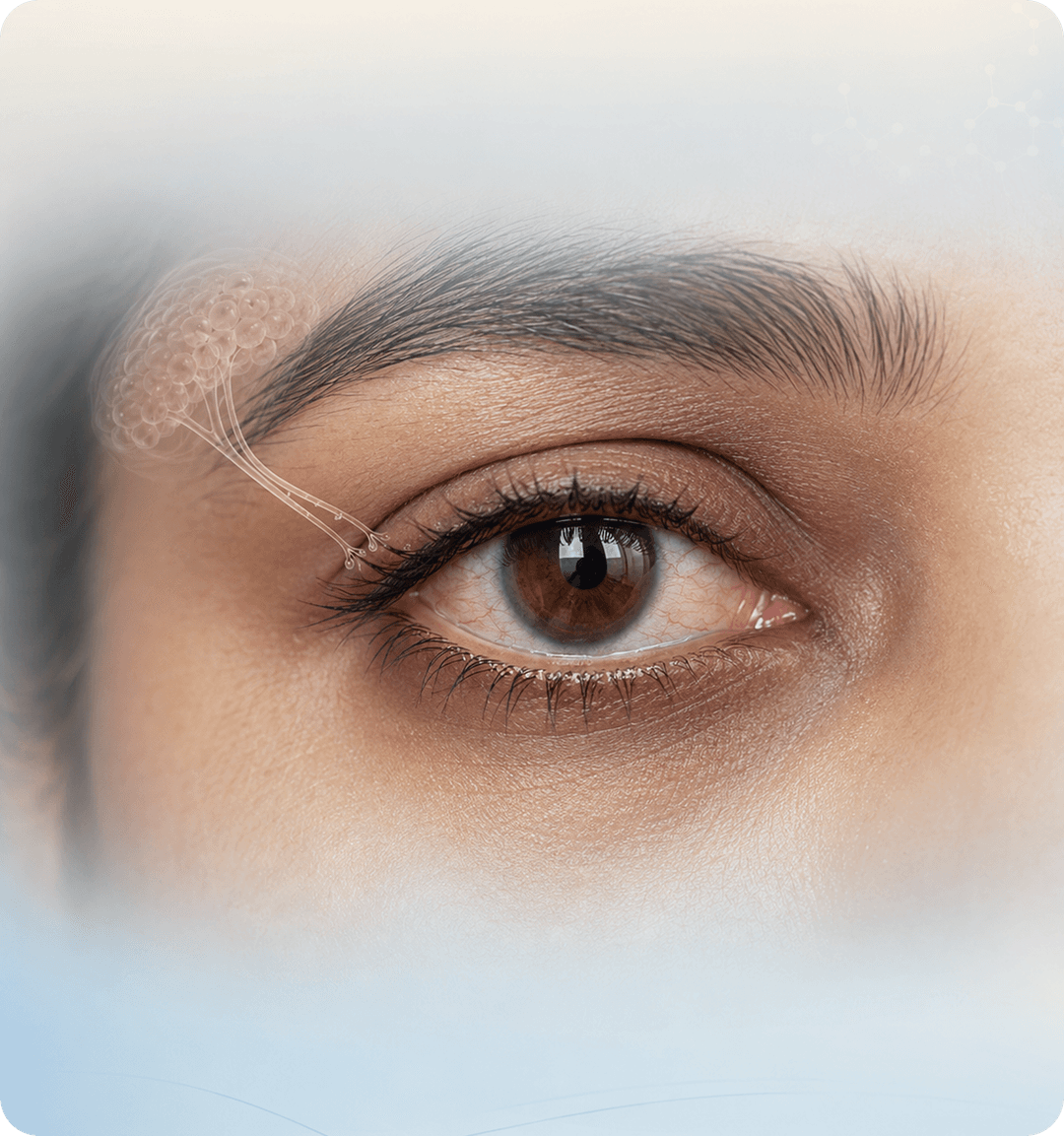
Meibomian gland dysfunction occurs when the tiny oil-producing glands along the eyelids become blocked or do not function properly. Without enough oil, tears evaporate too quickly, causing evaporative dry eye.
Yes. An unstable tear film can cause blurred or fluctuating vision, particularly while reading, driving or using screens. Vision may temporarily become clearer after blinking.
Consult an ophthalmologist if dryness, burning, redness, pain, light sensitivity or blurred vision persists, worsens or interferes with everyday activities. Sudden pain, injury or significant vision changes require prompt medical attention.
Take regular screen breaks, blink frequently, stay hydrated and get adequate sleep. Avoid direct air from fans or air conditioners, use a humidifier in dry environments and wear protective sunglasses outdoors.
Yes. When the eye's surface becomes dry and irritated, it may produce excessive reflex tears. These tears drain quickly and may not adequately lubricate the eye, so watering and dryness can occur together.
Screen use reduces the frequency and completeness of blinking. This prevents tears from spreading evenly across the eye and causes them to evaporate faster, resulting in dryness, burning and tired eyes.
Patient Experiences
From patients who have already taken their first step toward clearer vision.

My father underwent cataract surgery here. The hospital is very clean, and the staff are highly professional. I had visited three other hospitals before, where everything felt disorganized. Pixel Eye is much more organised. Also, Dr. Rasheed and Dr. Poojitha are among the best doctors in ophthalmology, and I would wholeheartedly recommend them.

Very good experience at Pixel Eye Hospital. The service was excellent, and everyone was cooperative. The consultation went smoothly with proper guidance. Thanks to the doctor for the clear explanation regarding the treatment plan.
I underwent cataract surgery for both my eyes, and based on my lifestyle the doctor suggested an EDOF lens. Everything went very well, and my vision is now clear and comfortable for both distance and near. Thanks to Pixel Eye Hospital and Dr. Rasheed.
I had an excellent experience with Dr. Rasheed. He is our family doctor. He performed two cataract surgeries for my family, and we are very happy with all the successful surgeries. Thank you to Pixel Eye Hospital, Dr. Rasheed, and the whole staff for the care.
I had a very good experience at Pixel Eye Hospital. I visited with a complaint of dry eyes, and Dr. Krishna Poojitha was extremely patient, professional, and kind throughout the consultation. She listened carefully to my concerns, explained the condition clearly, and suggested an effective treatment plan.
It is a really good hospital if you are planning for eye surgery. The staff are very supportive and make patients comfortable in Marathi, Hindi, or English. Dr. Krishna is super supportive with patients.